


























 Hrvatski


Printing Technologies for Branded Apparel & Promotional Products
We provide professional logo printing and branding solutions for corporate apparel, promotional merchandise and business products. Our technologies cover textile printing, UV product branding, engraving and embroidery, ensuring the ideal method for every material and design requirement.
DTF printing transfers designs from a printed film onto garments using heat and adhesive. It works on cotton, polyester and blended fabrics, making it one of the most flexible solutions for logo printing.
Advantages
- Vibrant and long-lasting colors
- Works on almost all fabric types
- Durable and wash-resistant
- Suitable for small and medium runs
Disadvantages
- A thin film layer can be felt on the garment
- Less suitable for ultra-light or breathable fabrics
- Requires proper heat application
DTF UV printing is designed for promotional products and hard materials such as glass, metal, plastic and wood. UV-cured inks provide high-definition, scratch-resistant branding with a glossy premium finish.
Advantages
- High-definition and sharp details
- Scratch and wear resistant
- Glossy premium finish
- Suitable for many hard materials
Disadvantages
- Not suitable for textiles
- Surface must be clean and smooth
- Sensitive to UV light during production
Screen printing is a durable technique ideal for solid colors and long-lasting prints. Commonly used for uniforms, promotional t-shirts and textile products.
Advantages
- Extremely durable and long-lasting
- Ideal for large, solid color areas
- Consistent quality on large runs
- Great for bulk production
Disadvantages
- Not ideal for photographs or fine details
- Each color requires separate screen preparation
- Less flexible for quick design changes
Pad printing is ideal for small, curved and irregular surfaces such as pens, USB drives, mugs and promotional items.
Advantages
- Excellent for curved and irregular surfaces
- High precision and logo clarity
- Suitable for a wide range of promotional items
Disadvantages
- Limited to small print areas
- Not suitable for gradients or photo-quality prints
- Requires precise positioning
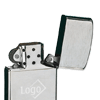
Laser engraving creates a permanent and precise mark by removing material from the surface. Ideal for metal, wood, glass and leather products.
Advantages
- Permanent and highly precise marking
- Does not fade or wear off
- Suitable for many materials
Disadvantages
- Does not allow full-color printing
- Some plastics may discolor
- Requires compatible materials
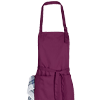
Embroidery provides a premium stitched logo appearance and exceptional durability. Commonly used for workwear, polo shirts, jackets and caps.
Advantages
- Premium and professional appearance
- Extremely durable and long-lasting
- Does not fade with washing
Disadvantages
- Not suitable for very small details
- Can be heavy on thin fabrics
- Limited number of thread colors per design
Sublimation embeds the ink directly into the material, creating vibrant and permanent prints. Best suited for polyester and polyester-coated surfaces.
Advantages
- Ink becomes part of the material
- Vibrant and long-lasting colors
- Ideal for all-over designs
Disadvantages
- Works only on polyester
- Colors may vary on dark materials
- Not suitable for cotton
Doming combines digital printing with a clear epoxy resin layer that creates a 3D effect and increases durability.
Advantages
- 3D premium appearance
- Scratch and moisture resistant
- Ideal for hard surfaces and labels
Disadvantages
- Not suitable for textiles
- Requires curing time
- Thicker finish not ideal for all products
Sandblasting creates a frosted, engraved effect on glass and ceramic surfaces. Commonly used for awards, gifts and decorative items.
Advantages
- Elegant frosted effect
- Highly precise and permanent marking
- Ideal for glass, crystal and ceramics
Disadvantages
- Does not allow color printing
- Requires hard materials
- Fine details may be limited depending on surface